Backed by the builders of the future of finance






When DeFi yield compresses, ours holds.
Fixed-rate, fixed-term lending against tokenized real-world assets, plus a yield-bearing token, open to anyone with a wallet.
Backed by the builders of the future of finance
One source of real-world yield, two ways to access it. Hold a single token that compounds for you, or lend directly into named vaults and pick your own terms.

Deposit USDC, hold one yield-bearing token. Yield compounds automatically into its rising value, blended across real-world credit and best-in-class DeFi sources. No staking, no claiming.
Lend USDC into a named vault against approved collateral. Pick your counterparty, rate, and term. Your rate is locked from the moment you deposit until maturity.
splyceUSDC blends two structurally uncorrelated sources of yield into one token: a liquid bucket of best-in-class DeFi yield, and a fixed-income bucket of fixed-rate institutional credit. When one compresses, the other holds.
The highest-conviction short-duration yield in DeFi, redeemable on demand.
Fixed-rate institutional credit from Single Asset Vaults, structurally uncorrelated to the liquid bucket.
Two uncorrelated yield sources in one token. Yield that holds when either side compresses.
Genesis is capped at launch. First depositors lock in the highest Strands allocation, a boosted multiplier, and priority access the moment the fixed-income bucket activates.
Secure Access to GenesisLimited capacity · First in wins
Splyce reward points with a tiered multiplier. Genesis depositors earn the highest allocation and boost.
First fill on splyceUSDC when deposits open. No queue, no throttling.
When Single Asset Vaults activate, Genesis holders are first into the new fixed-rate yield layer.
Insights, product updates, and stories from the team.
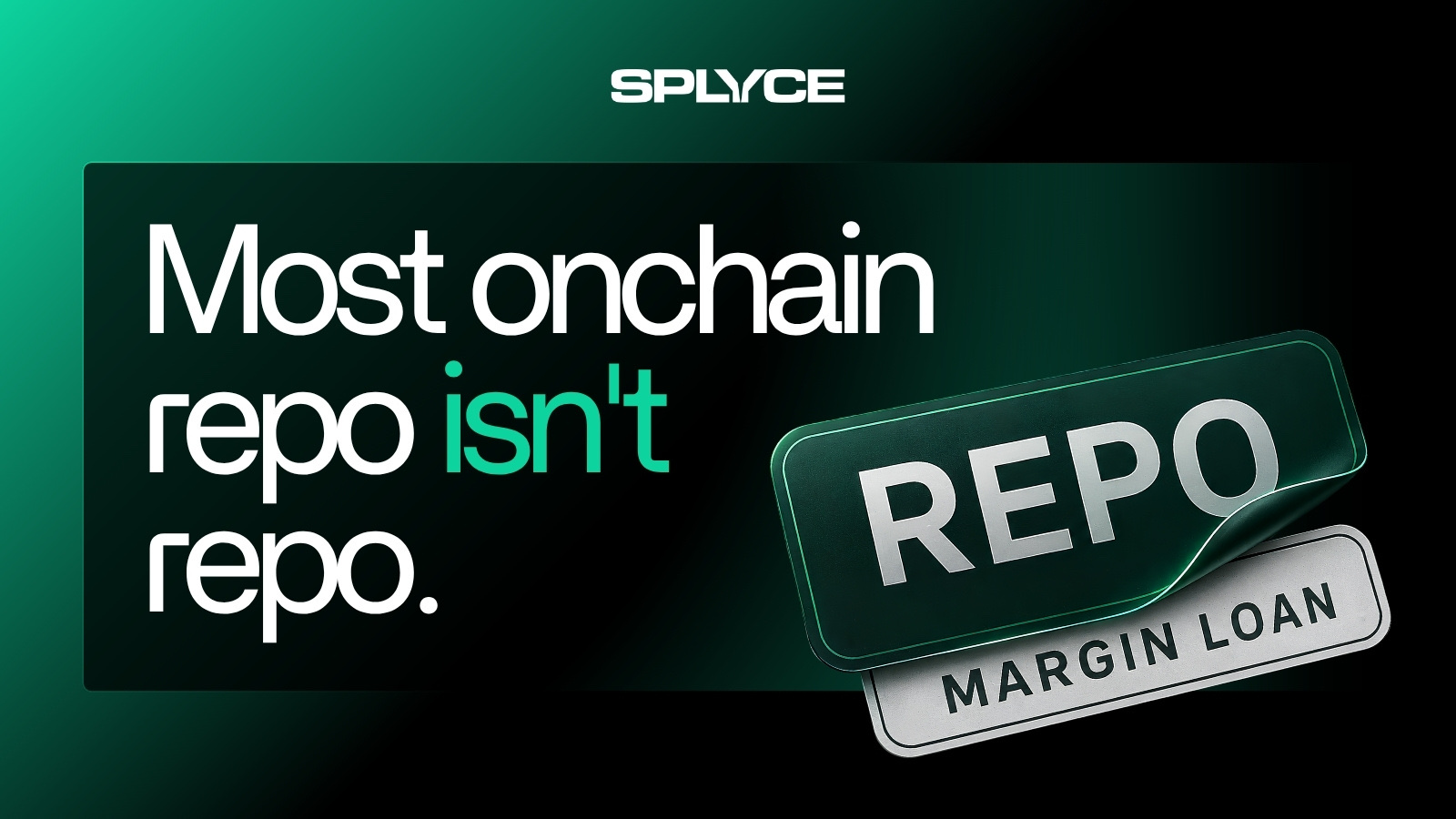
Most of what gets called onchain repo is variable-rate margin lending, not repo. Real repo locks the rate and the term.
A credit market where borrowers post tokenized real-world assets and draw stablecoins at a rate and term fixed at origination.
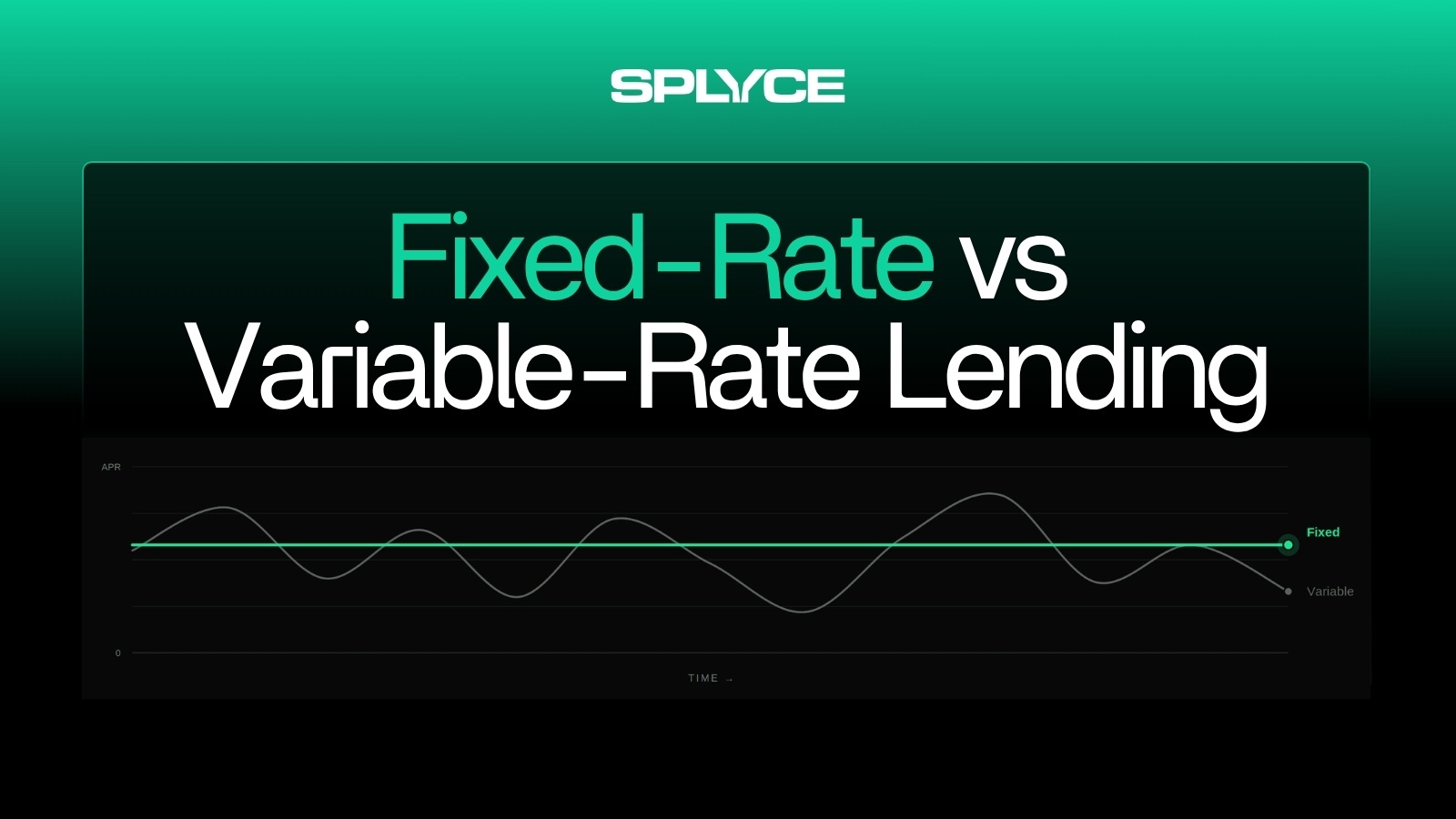
Variable rates float with pool utilization; fixed rates lock at origination. A worked comparison, and why it matters for RWAs.
Two independent properties of a loan. A fixed rate locks the interest rate; a fixed term locks the maturity date.

Institutional credit runs on predictable cost of capital, which variable-rate DeFi cannot provide. Fixed rates change that.
Backed by Sui Foundation, Stellar Development Foundation, Solana Foundation, Lucid Ventures, Sarson Funds, and Kin Capital, here's the credit infrastructure that finally makes tokenized RWAs productive.
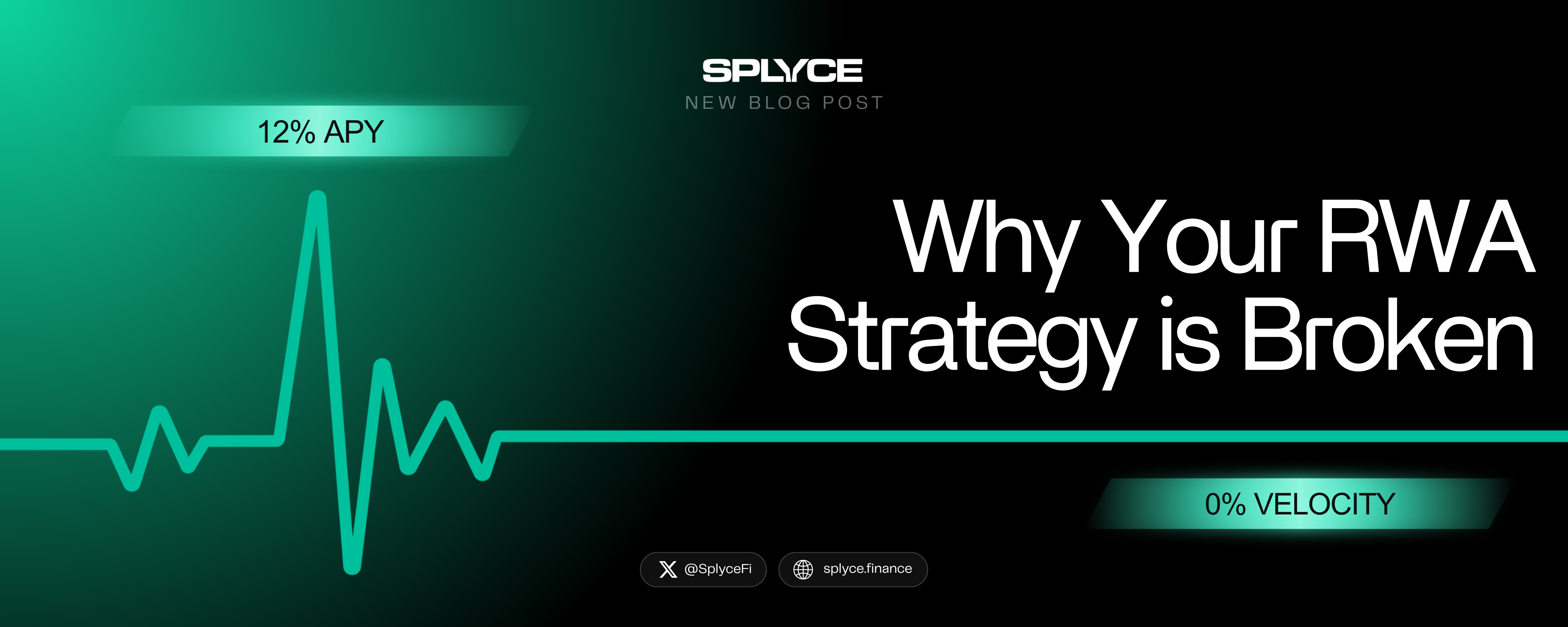
Most investors are still comparing interest rates instead of comparing what their dollar can actually do.
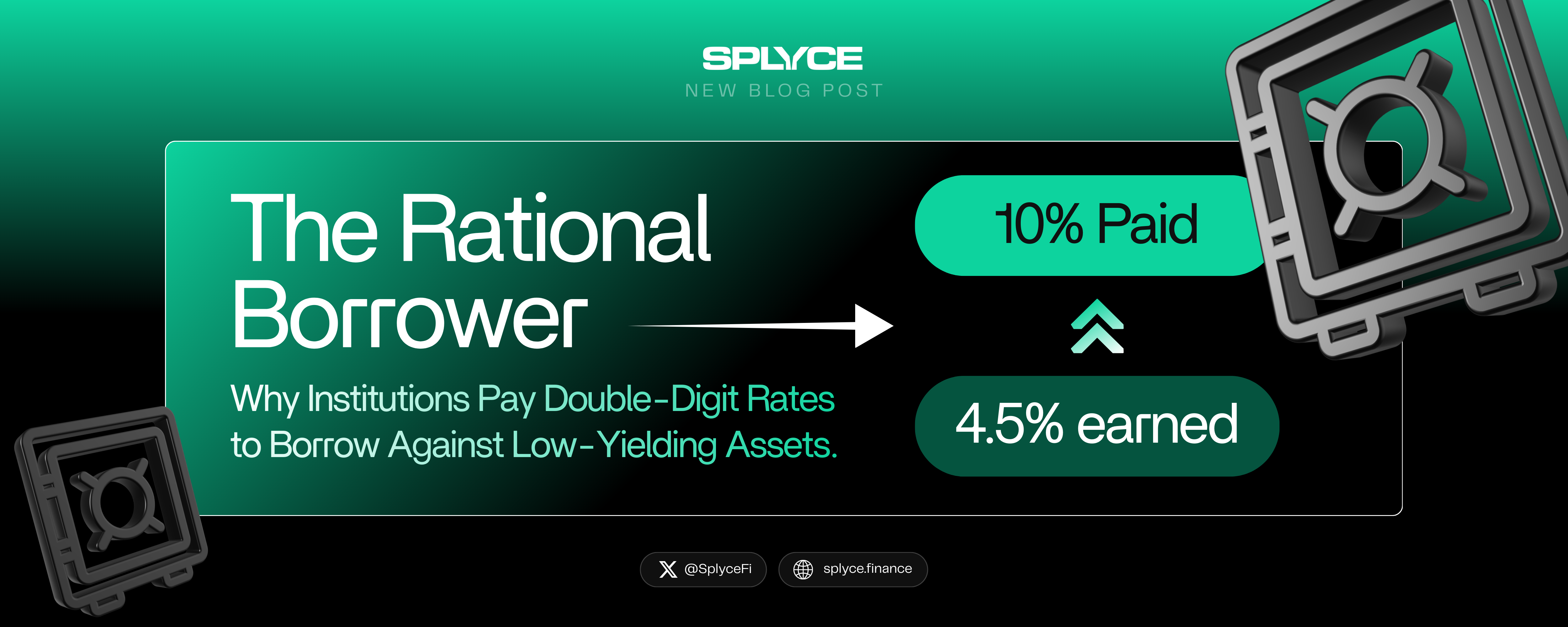
Why institutions pay double-digit rates to borrow against low-yielding assets, and what it means for those on the other side.
How real-world asset yield works in DeFi, and why tokenization alone is not enough.
A practical guide to lending vaults, RWA vaults, fixed-rate vaults, and what risks to check.

How Splyce is building the infrastructure that connects institutional assets to permissionless DeFi, and why it matters for every wallet holder.

Capital markets are being rebuilt onchain. Here's why permissionless infrastructure is replacing gated institutions, and what comes next.